In partnership with

200+ Proven Ways to Make Money With AI in 2026

The next wave of millionaires will be people who figured out how to make AI work for them.
The window to get ahead is still open. But not for long.
Here are 200+ proven ways to make money with AI in 2026.
Sign up for Superhuman AI, the free daily newsletter read by 1M+ professionals, and get instant access to all 200+ ways to profit from AI this year.

Tech moves fast, but you're still playing catch-up?
That's exactly why 200K+ engineers working at Google, Meta, and Apple read The Code twice a week.
Here's what you get:
Curated tech news that shapes your career - Filtered from thousands of sources so you know what's coming 6 months early.
Practical resources you can use immediately - Real tutorials and tools that solve actual engineering problems.
Research papers and insights decoded - We break down complex tech so you understand what matters.
All delivered twice a week in just 2 short emails.
Welcome back to The Human Leader Project — sort of. I’d planned to send you an essay this morning, and another one next Sunday, and I’m going to miss both. I’m in Istanbul for the week, and it turns out a city built across two continents and several empires doesn’t leave much room in the day for drafting. The next full essay will land Sunday, May 24. In the meantime, a short note from the road.
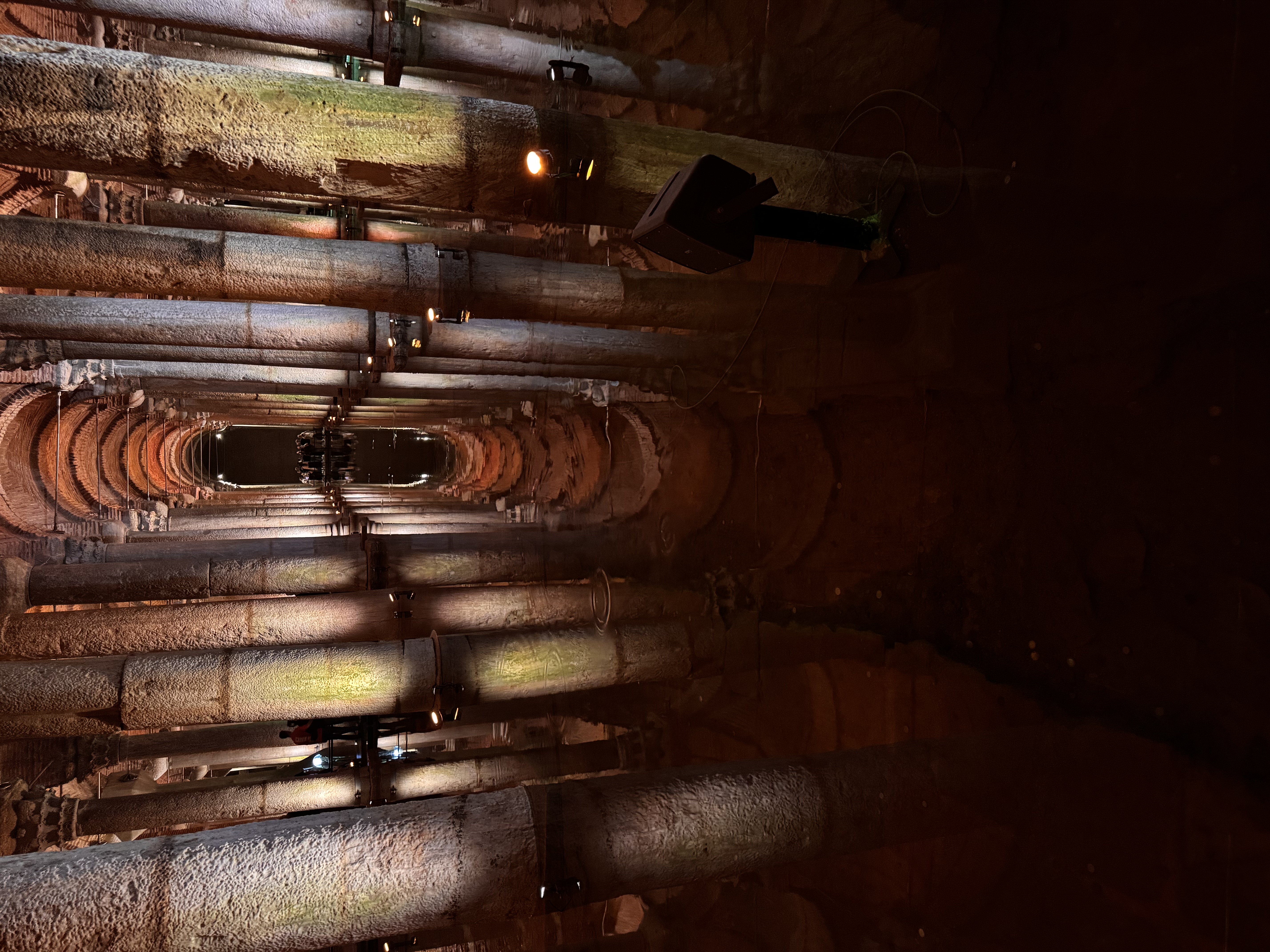
I went down into the Basilica Cistern yesterday. Above ground, the city is shops and traffic and ruins held together by tourists. Below ground, sixteen hundred years old, it is vast and quiet and exact. The columns rise out of the water in even rows. The vaults are accurate the way modern things are accurate. People walked carefully, the way people walk carefully in churches.
It was built by a Roman emperor to keep the city alive during a siege. A water system. A piece of infrastructure. Beautiful by accident, or beautiful because nothing the Romans built was allowed to be only useful. It doesn’t hold the city’s water anymore. It is a museum now. But it still stands, and it still teaches anyone who walks down into it.
Jonathan asked me, somewhere in the middle of it, how they did this that long ago. I told him I truly don’t know, but I guarantee a lot of people lost their lives while doing it. I meant it. So much of what we walk through is built that way — beautiful things paid for with lives that don’t show up in the architecture. The fingerprints the Romans left across continents are exceptional and they are violent, and there is no version of the story where you get one without the other. The Romans were one of many that have been and are. The Cistern doesn’t apologize for that. It doesn’t explain it. It just stands.
I came back up the stairs into the daylight and the noise of the street, and I have been thinking about that exchange ever since. Standing in a room that beautiful and that complicated, you become aware of your own size.
I have been here only two days, and already I have felt smaller in this city than I have felt in a long time. I cannot read the signs. I cannot follow the conversations. I am one more person passing through a place that has been standing here, holding more than one truth at a time, since long before any country I have ever lived in existed.
I think that is the right size to feel.
See you on the 24th.
— Matthew